Bridging the Gap: The Path Forward for Maternal and Child Health in Nigeria
Discover key challenges and solutions in Nigeria’s maternal and child health—from primary healthcare gaps to the role of AI and telepharmacy.
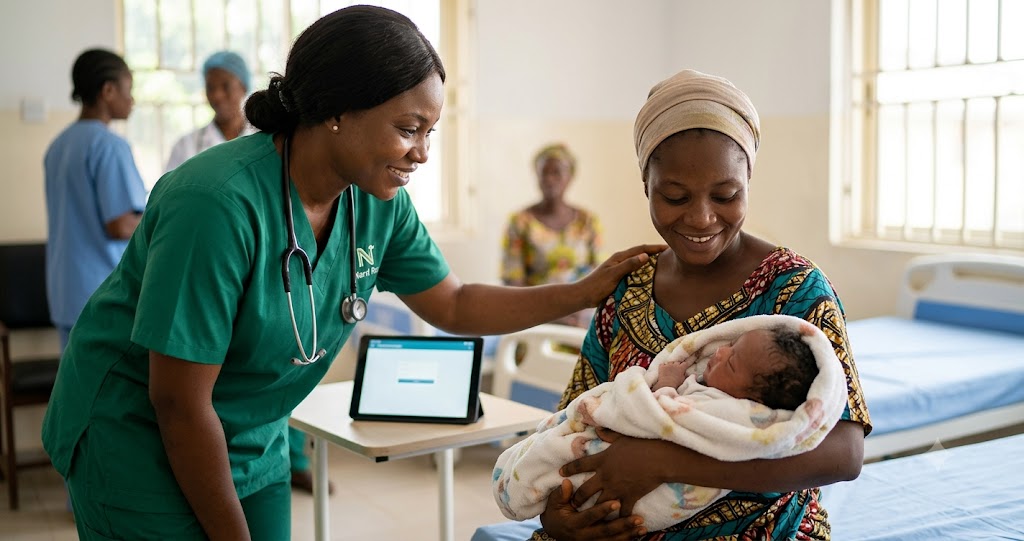
Every nation’s future is shaped by the health and well-being of its mothers and children. In Nigeria, maternal and child healthcare remains one of the most vital yet challenging areas of the public health landscape.
While significant progress has been made over the past decade through targeted national health interventions and global partnerships, many families still face steep hurdles when seeking timely, life-saving medical care. Understanding these challenges—and embracing modern solutions—is key to creating a healthcare environment where every mother and child can thrive.
The Current Landscape: Challenges on the Frontlines
Nigeria accounts for a significant portion of global maternal and neonatal mortality figures. The factors driving this reality are complex, but they often boil down to three main structural challenges:
1. Financial Barriers to Care
For many families, out-of-pocket health expenditure remains a heavy burden. The cost of routine antenatal care, delivery fees, and essential drugs can delay families from seeking medical attention until a crisis occurs.
2. Infrastructural & Geographic Constraints
In rural and hard-to-reach communities, accessing a fully equipped health facility is often difficult. The "three delays"—delay in deciding to seek care, delay in reaching a health facility, and delay in receiving adequate care upon arrival—continue to put lives at risk.
3. Resource Shortages & Supply Chain Gaps
Primary Healthcare Centers (PHCs) are the first line of defense. However, stockouts of essential life-saving drugs (such as oxytocin to prevent postpartum hemorrhage or magnesium sulfate for pre-eclampsia) and shortages of trained midwives leave facilities under-resourced.
Turning the Tide: Strategic Pillars for Progress
Overcoming these obstacles requires a multi-faceted strategy that blends community outreach, clinical excellence, and policy support:
Expanding Primary Healthcare Access:
Investing in community-based healthcare models ensures that women receive quality antenatal care (ANC) near home. Early ANC visits allow healthcare workers to screen for high-risk conditions, such as anemia and hypertension, long before delivery.
Routine Immunization and Child Nutrition:
Maternal health is inextricably linked to child health. Comprehensive vaccination drives against preventable illnesses (measles, polio, pneumonia) combined with maternal nutritional counseling are essential to reducing under-five mortality.
Empowering Skilled Birth Attendants:
Ensuring every delivery is attended by a trained midwife or doctor dramatically reduces intrapartum complications. Ongoing clinical training and improved working conditions are vital to retaining qualified health professionals.
Leveraging Technology & Modern Pharmacy Operations
Innovation plays an increasingly pivotal role in solving healthcare access issues. Technology and digitized pharmacy systems are actively bridging the gap:
Telepharmacy & Remote Consultations:
Digital health tools now make it possible for pregnant mothers in remote areas to consult healthcare professionals, receive medication advice, and schedule follow-up appointments without traveling long distances.
AI and Smart Inventory Control:
Supply chain failures can be lethal. Modern AI-driven pharmacy and inventory management platforms help clinics and pharmacies predict demand, track stock levels, and ensure that critical maternal and pediatric medications are always available when needed.
A Collective Responsibility
Improving maternal and child health outcomes in Nigeria is not just a job for hospitals—it requires action from policymakers, tech innovators, community leaders, and local pharmacies. By strengthening primary healthcare networks, eliminating drug stockouts through modern operations, and empowering women with health education, Nigeria can drastically reduce maternal and child mortality.
Every safe delivery is a victory for the family, the community, and the nation as a whole.
Last updated 7/28/2026